
Why Car Brake Pads Squeal in Monsoons (And How to Fix It)
By MotoDecode Editorial Team, Car and auto-industry coverage for Indian buyers
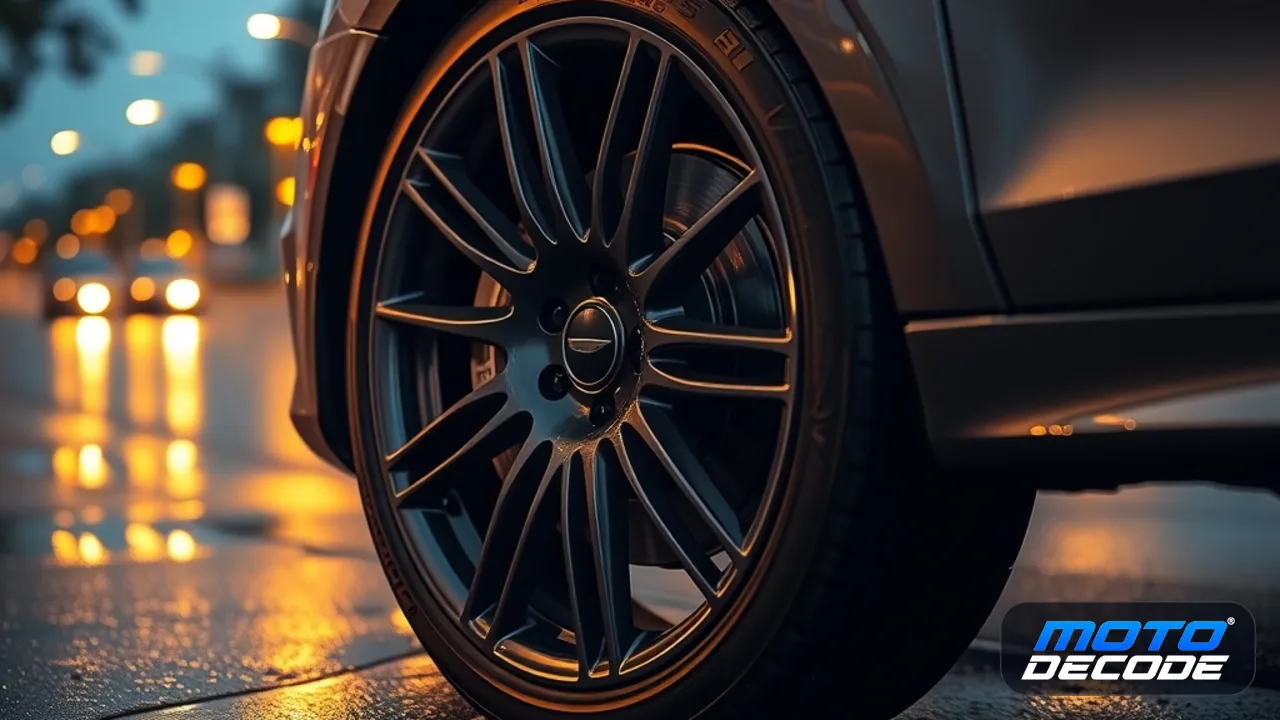
You start your car on a damp morning after heavy rains, press the brake pedal to reverse out of your parking spot, and instantly hear a loud, sharp squeal. The sound is so embarrassing that your neighbours turn around to look, making you wonder if your brake pads have completely worn out overnight.
You might worry that driving the car in this condition will damage the expensive brake rotors or lead to a dangerous brake failure on the highway. Many Indian drivers immediately rush to a service centre, only to be handed a bill for unnecessary parts replacement or cleaning charges.
The good news is that this annoying noise is extremely common during the Indian monsoon, and it rarely means your brakes are ruined. MotoDecode breaks down why your brakes squeal when wet and how you can fix it safely without spending a single rupee.
Quick Answer
Brake squeal after rain or a car wash is usually caused by a microscopic layer of flash rust that forms on the iron brake discs within hours of exposure to moisture. When you hit the pedal, the brake pads scrape off this thin rust layer, creating high-frequency vibrations that sound like a loud squeak. It usually disappears on its own after three to four firm stops on a dry road.
How Wet Weather Creates Brake Squeal
To understand the noise, you first need to understand how your car stops. Modern cars use disc brakes on the front wheels, and many now feature them on the rear wheels as well. The brake disc, or rotor, is made of cast iron, while the brake pads are made of a tough friction material pressed against a metal backing plate.
When you press the brake pedal, hydraulic fluid pushes the brake pads tightly against the spinning iron rotor. Friction slows down the disc, which in turn slows down your wheels. Cast iron is chosen by car manufacturers because it handles extreme heat remarkably well, but it has one major weakness: it rusts almost instantly when exposed to water and oxygen.
1. Flash Rust Forms Overnight
During the Indian monsoon, humidity levels regularly cross 80 percent. When you park your car after driving through a puddle or getting it washed, standing water settles on the exposed iron rotor. Within just two to three hours, oxygen in the air reacts with the wet iron to create a paper-thin layer of iron oxide, commonly known as flash rust.
This rust layer creates an uneven surface on the smooth disc. When you tap the brakes the next morning, the friction pads rub against this rough coating, causing rapid microscopic skips and vibrations. These vibrations travel through the brake caliper and ring out as a high-pitched squeal.
2. Trapped Moisture and Glazed Friction Dust
Rainwater does not just carry water; it picks up fine dust, road grime, and oily residue from flooded Indian streets. This dirty slurry gets trapped between the brake pad and the disc rotor.
When moisture sits in the tiny pores of the brake pad material, it alters the friction coefficient temporarily. Until the heat generated by braking evaporates every drop of trapped water, the pad slips and grabs unevenly, producing a sharp screeching noise.
When Is Brake Squeal Normal vs Dangerous?
Not all brake noises are innocent. It is vital to know whether your brakes are just clearing morning moisture or warning you about a critical safety hazard.
| Noise Type | When It Happens | Probable Cause | Action Required |
| Loud High Squeal | First few stops in rain or morning | Surface flash rust or wet pads | Normal. Drive gently and brake 3 to 4 times to clean. |
| Harsh Metallic Grinding | Every time you brake, wet or dry | Worn out pads (metal touching metal) | Urgent. Replace brake pads immediately. |
| Continuous Squeak | While driving without pressing brake | Wear indicator pin contacting rotor | Schedule brake pad replacement soon. |
| Spongy Pedal Feeling | When pressing brake in deep water | Water film on disc reducing bite | Pump pedal gently to dry pads; check fluid level. |
3. Built-In Wear Indicators
If your brakes continue to squeal continuously on dry days, the cause is no longer the monsoon moisture. According to technical documentation from major braking component manufacturers like TVS Brake Linings and Bosch India, brake pads come with a built-in safety feature called a mechanical wear indicator.
This indicator is a small steel tab attached to the pad backplate. When your brake pad wears down to roughly 2 mm to 3 mm of remaining life, this metal tab intentionally contacts the iron disc rotor, producing an unmistakable high-pitched squeal. It serves as a loud, harmless warning that your pads need replacement before they score the expensive rotor.
How to Stop Monsoon Brake Squeal Safely
If your car brakes squeal only on wet mornings, you do not need a mechanic. You can clear the noise yourself using proper driving habits.
1. Use the Drying Braking Technique
When moving off on a rainy morning, drive at a slow speed of roughly 20 km/h to 30 km/h on a clear road. Press the brake pedal gently three or four times. This light friction generates instant heat, wiping away the microscopic rust layer and burning off trapped water in seconds.
2. Never Park with the Handbrake Engaged for Weeks
If you leave your car parked for weeks during the monsoons with the mechanical handbrake pulled tightly, the rear brake pads can physically rust-weld themselves to the rotor or drum. When you force the car to move, it can strip the friction material off the pad. If parking long-term on flat ground, place wheel chocks and leave the car in gear instead of pulling the handbrake too hard.
3. Keep Brake Assemblies Clean During Washes
When visiting a car wash, ask the attendant not to spray high-pressure water directly into the wheel calipers at point-blank range. High pressure forces road grime deep into the sliding caliper pins and anti-rattle shims, causing sticky brakes that squeal constantly.
Frequently Asked Questions
Can I spray WD-40 or oil on my car brakes to stop squeaking?
No, never apply oil, grease, or spray lubricants like WD-40 to brake discs or pads under any circumstances. Lubricating brake friction surfaces destroys your car's ability to stop, leading to instant brake failure and severe safety risks.
How long should monsoon brake squeal last while driving?
Monsoon squeal caused by surface rust or moisture should vanish completely within the first 500 metres to 1 kilometre of driving, after you have applied the brakes three or four times.
Does brake squeal mean my brake discs are damaged?
Thin surface rust caused by rain does not damage cast iron discs. However, ignoring a heavy metallic grinding noise will score deep grooves into the rotor surface, requiring expensive rotor replacement.
MotoDecode Verdict
Brake squeal during the Indian monsoon is rarely a sign of severe mechanical failure. In over 90 percent of rainy-season complaints, it is simply the natural result of damp air creating temporary flash rust on cast iron discs.
Before you panic or book an unnecessary appointment at a service workshop, take your car for a short, cautious drive on a safe stretch of road. A few gentle taps on the brake pedal are usually all it takes to scrub the rotors clean and restore quiet, powerful braking performance.
Understanding how your vehicle responds to Indian weather conditions saves you both money and peace of mind. Have you experienced loud brake squeal after driving through monsoon rain this season?
Loading reactions…
0 comments