
Why Car Brake Fluid Turns Dark: Is It Safe to Drive?
By MotoDecode Editorial Team, Car and auto-industry coverage for Indian buyers
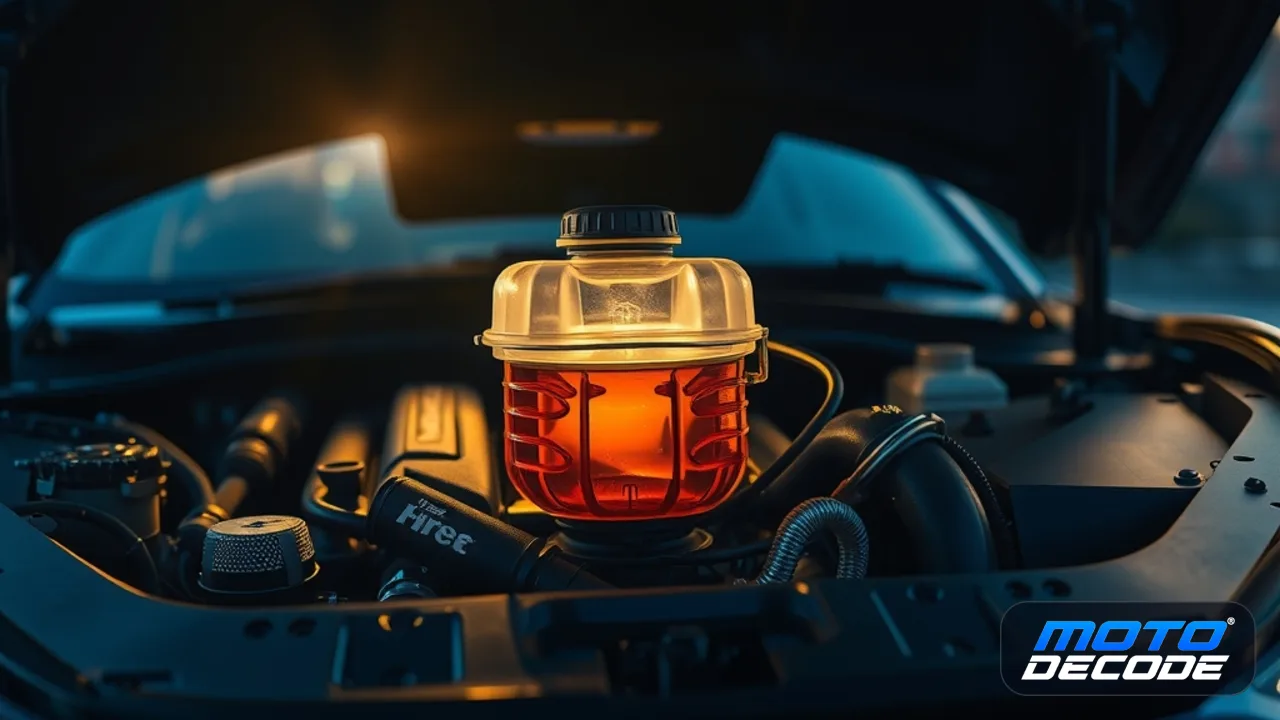
You open your car bonnet for a routine screen-wash top-up, check the translucent brake fluid reservoir, and notice something concerning. Instead of the clear, slightly golden liquid that was filled during a past service, the fluid now looks like dark tea or muddy brown syrup.
Most car owners instantly worry that a major seal has failed or that dirt is invading the braking system. In India's humid climate and heavy stop-and-go traffic, this darkening process happens faster than many drivers expect.
Does dark brake fluid mean your brakes are about to fail, or is it just normal wear? MotoDecode breaks down the science behind fluid discoloration and tells you when a flush is urgent.
Quick Answer
Brake fluid turns dark primarily because it absorbs atmospheric moisture over time and collects microscopic copper and rubber particles from inside the brake lines. Fresh glycol-based brake fluid is clear or amber, but high heat and moisture exposure cause chemical oxidation that turns the fluid brown or black. If your brake fluid is dark brown, it has lost its boil resistance and requires a complete system flush to prevent brake fade.
Why Fresh Brake Fluid Starts Out Clear
Standard automotive brake fluid, typically rated DOT 3, DOT 4, or DOT 5.1, is a glycol-ether derivative. Fresh out of a sealed bottle, it has a clear to pale amber tint and a chemical structure designed to remain fluid at extreme temperatures.
Unlike engine oil, which cools and lubricates moving metal parts inside an engine block, brake fluid operates in a closed hydraulic network. Its primary job is to transfer force from your foot on the pedal directly to the brake calipers at all four wheels. Because it operates under high pressure, it must remain chemically stable and incompressible.
1. Moisture Absorption Causes Oxidation
Glycol-based brake fluid is hygroscopic, meaning it actively attracts and absorbs moisture directly from the surrounding air. Even though your brake master cylinder reservoir has a tight cap, it features a small air vent to allow the fluid level to drop as your brake pads wear down.
In Indian coastal cities like Mumbai, Chennai, and Kochi, ambient humidity is constantly high. Moisture slowly seeps through microscopic pores in the flexible rubber brake hoses and the reservoir seal. As water mixes with the fluid, it triggers chemical oxidation, which turns the clear liquid into a darker brown shade.
2. Heat Degradation from Heavy Braking
Every time you press the brake pedal, friction between the brake pads and rotors generates intense heat. Temperatures at the caliper can easily exceed 200 degrees Celsius during mountain descents or sudden stops on Indian expressways.
This extreme heat bakes the brake fluid inside the caliper lines. Repeated heating and cooling cycles break down the chemical additives that prevent corrosion. As these protective inhibitors degrade, the fluid loses its thermal stability and darkens rapidly.
3. Hose Degradation and Microscopic Contamination
The hydraulic system uses flexible rubber hoses near the wheels to allow steering movement and suspension travel. Over years of constant flexing and high thermal stress, the inner lining of these rubber hoses slowly sheds microscopic particles.
Additionally, copper brazing used inside internal brake lines slowly dissolves into the fluid when anti-corrosion additives break down. These tiny suspended particles of rubber, copper, and iron turn the fluid from a clear amber to a dark, murky black over time.
Key Differences Between Fresh and Aged Brake Fluid
Understanding how aging changes your brake fluid highlights why visual checks matter during routine vehicle maintenance.
| Property | Fresh Brake Fluid | Aged Dark Brake Fluid | |||
| Visual Appearance | Clear or light amber tint | Dark brown to murky black | |||
| Moisture Content | Below 1 percent | Above 3 to 4 percent | Corrosion Protection | High inhibitor concentration | Depleted chemical inhibitors |
The Hidden Danger: Reduced Boiling Point
The real hazard of dark, moisture-laden brake fluid is not just the color change, but a drastic drop in its boiling point. Water boils at 100 degrees Celsius, whereas fresh DOT 4 fluid boils around 230 degrees Celsius.
When water content in the fluid reaches just 3.5 percent, the boiling point drops sharply toward 155 degrees Celsius. Under heavy braking on a highway, the trapped water turns into steam bubbles inside the brake lines. Because gas compresses easily under pressure while liquid does not, your brake pedal will sink all the way to the floorboards without stopping the car, a terrifying phenomenon known as vapour lock or brake fade.
How to Test Your Brake Fluid Condition at Home
Visual inspection is a great start, but you can verify fluid health accurately using two inexpensive tools before taking your car to a mechanic.
- Digital Moisture Tester: A pen-style electronic tester measures electrical conductivity to reveal exact water percentage. A reading below 2 percent is safe, 3 percent requires service soon, and above 3 percent demands an immediate flush.
- Chemical Test Strips: Copper test strips reveal the level of corrosion inhibitor depletion by changing color when dipped into the reservoir for a few seconds.
- Visual Clarity Check: Shine a flashlight through the side of the plastic reservoir. If you cannot see the internal minimum and maximum level marks clearly through the liquid, the fluid is heavily contaminated.
Frequently Asked Questions
Can I just top up dark brake fluid with fresh fluid?
No, simply topping up fresh fluid into the reservoir will not fix contaminated fluid trapped lower down in the caliper lines. You must perform a complete system flush to bleed out old fluid from all four wheels.
How often should brake fluid be changed in India?
Most manufacturers recommend a complete brake fluid replacement every two years or 40,000 kilometres, whichever comes first. In high-humidity coastal regions, changing it every 18 to 24 months is ideal to prevent internal hydraulic line rust.
Why does my new car have dark brake fluid after only one year?
If you frequently drive in heavy city traffic, pull heavy loads, or live in a humid area, rapid heat cycles and ambient air exposure can darken fluid within 12 to 18 months even on a brand-new car.
MotoDecode Verdict
Dark brake fluid is a clear warning sign from your car that your hydraulic system is holding excess moisture and degraded chemical inhibitors. While dark fluid might still stop your vehicle during gentle city driving, it leaves you vulnerable to sudden pedal loss during emergency high-speed braking or long mountain drives.
Checking your reservoir color takes less than a minute every time you wash your car or check your tyre pressures. Replacing brake fluid is one of the cheapest preventive maintenance services available at Indian workshops, yet it delivers maximum safety returns.
If your fluid resembles dark tea, schedule a full hydraulic system bleed at your next service. Is your brake fluid clear and clean today, or is it time for a long-overdue flush?
Loading reactions…
0 comments